Ofakim (also spelled Ofaqim, Hebrew: אופקים, "horizons") is a young, fast-growing city in Israel's western Negev. Here is everything a visitor, a new immigrant or an investor needs: what to see, where to eat, where to stay, which neighborhoods to look at, how to find work and how to get here.
By the My Ofakim local teamReading time: 12 min
Ofakim at a glance: the city sign, Patish Fortress and Ofakim Park.
Ofakim at a glance
Ofakim sits in the northwestern Negev, about 20 km west-northwest of Beersheba, roughly halfway between the desert capital and the Mediterranean coast. It serves as the urban center for the farming communities of the Merhavim and Eshkol regional councils, and over the last decade it has turned from a quiet development town into one of the growth stories of southern Israel: a railway station, thousands of new homes and a steady stream of young families.
LocationWestern Negev, Southern District · 25 min from Beersheba
Founded19 April 1955 · city status in 1995
Population39,893 (CBS, end of 2024), growing fast
AreaAbout 10 km² (10,000 dunams)
TrainOfakim station, Ashkelon–Beersheba line (since Dec 2015)
ClimateSemi-arid: long dry summers, short rainy winters
Neighborhoods10, from the Old City to Afikei Nachal
CharacterTraditional and religious, closes for Shabbat
A short history of Ofakim
Ofakim was founded on 19 April 1955 as a regional center planned around a tractor station for the Merhavim farming villages. The immigration waves of the 1950s brought hundreds of families, most of them from Morocco and Tunisia, who were first housed in a transit camp (ma'abara). In the 1960s and 70s the town grew around a large textile industry, and in 1995, on its 40th birthday, Ofakim was declared a city.
The 1990s brought both the decline of the textile mills and a large wave of immigrants from the former Soviet Union. The turnaround came in the last decade: the railway station opened at the end of 2015, and in 2017 a government umbrella agreement added more than 12,000 new housing units to the city's plans. Today, North African traditions, Russian-speaking families, a growing Haredi community and Chabad live side by side.
Most of Ofakim's sights are free, outdoors and family friendly, and they are close enough to see in a single day. Here are the places locals take their guests.
1. Ofakim Park and Ofakim Forest
FreeFamiliesCycling2–4 hoursAccessible
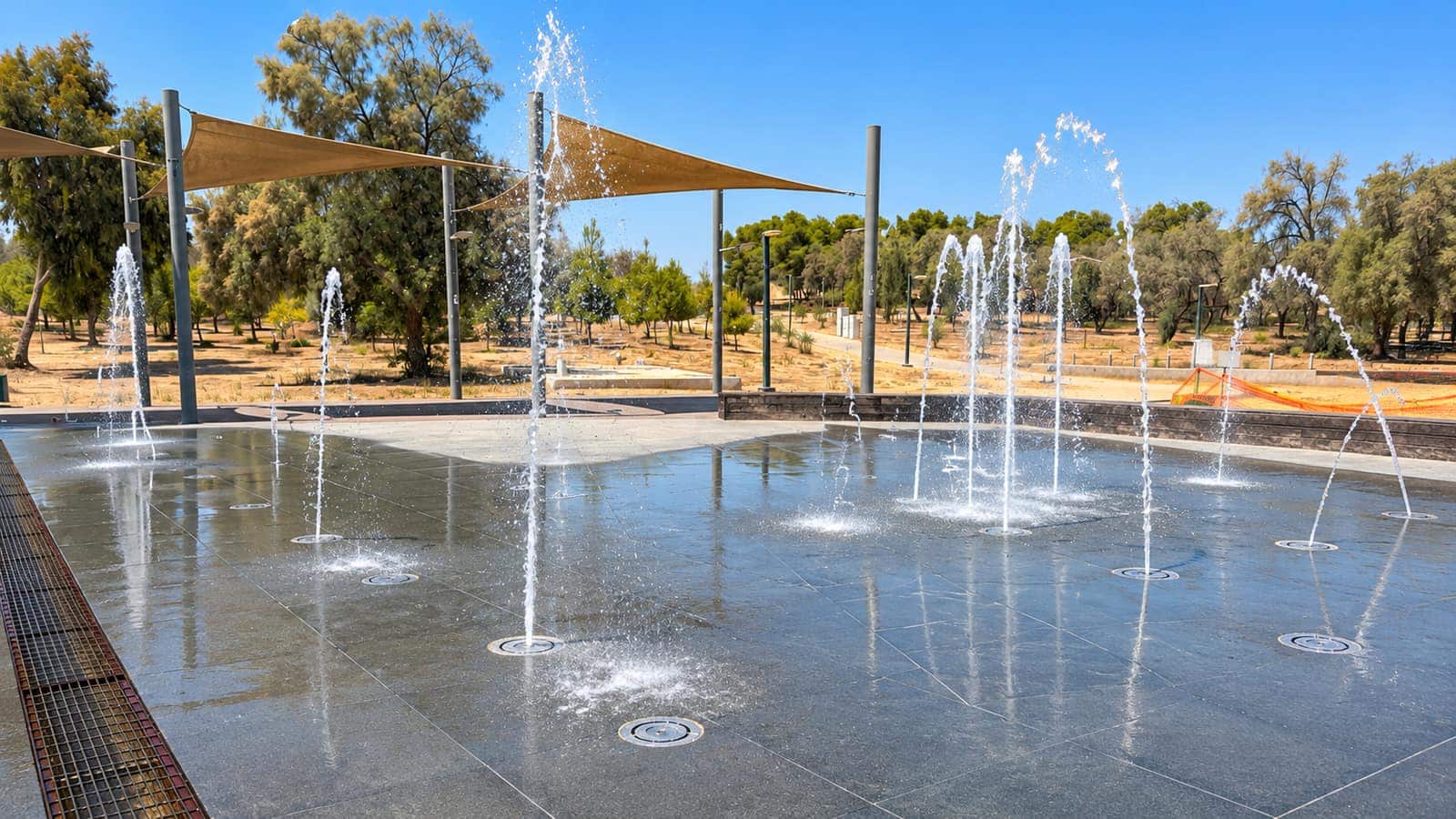
The green heart of the city: a park of roughly 500 dunams (about 125 acres) inside the KKL-JNF Ofakim Forest on the eastern side of town. Expect wide lawns, shaded picnic and barbecue corners, KKL picnic tables, playgrounds, sports courts, drinking water and restrooms. In summer a splash fountain turns the desert park into a water playground, and marked red trails take you deeper into the forest by bike.
The main entrance is from Bezalel Street (at the roundabout opposite HaHida Street), with a large free parking lot, including accessible parking.
The splash fountains in Ofakim Park.A shaded playground in the forest.
2. Patish Fortress and the "Secret Cave"
FreeHistoryKids love it1 hour
At the far end of Ofakim Park, on a hill overlooking the Nahal Ofakim streambed, stands Patish Fortress (Metzudat Patish), a stone building from the late 19th century that once served as a customs and border police post. Beneath it hides the "secret cave": the quarry its stones were cut from, later used to store barley from the surrounding fields. There is parking next to the fortress, with accessible parking and access.
3. Nahal Ofakim trails: Horvat Patish and the fossil coral reef
FreeEasy hikes1–3 hours
From the fortress, several easy walks follow the Nahal Ofakim streambed:
Horvat Patish (easy, about 1 hour): walk down to the streambed, turn left to the junction with Nahal Patish and continue through the woods to the remains of a Byzantine-era settlement with ancient water cisterns.
The fossil coral reef (about 4 km): in the southern part of the park, in the Nahal Ofakim nature reserve, lies a fossilized reef, a reminder of the ancient sea that once covered the area.
From the train station (about 1.5 km): arriving by train? Walk east to the streambed and follow the dirt path on the western bank to Patish Fortress (muddy after winter rain).
4. The British railway bridge and Sayeret Shaked Park
FreeHistorySunset spot1–2 hours
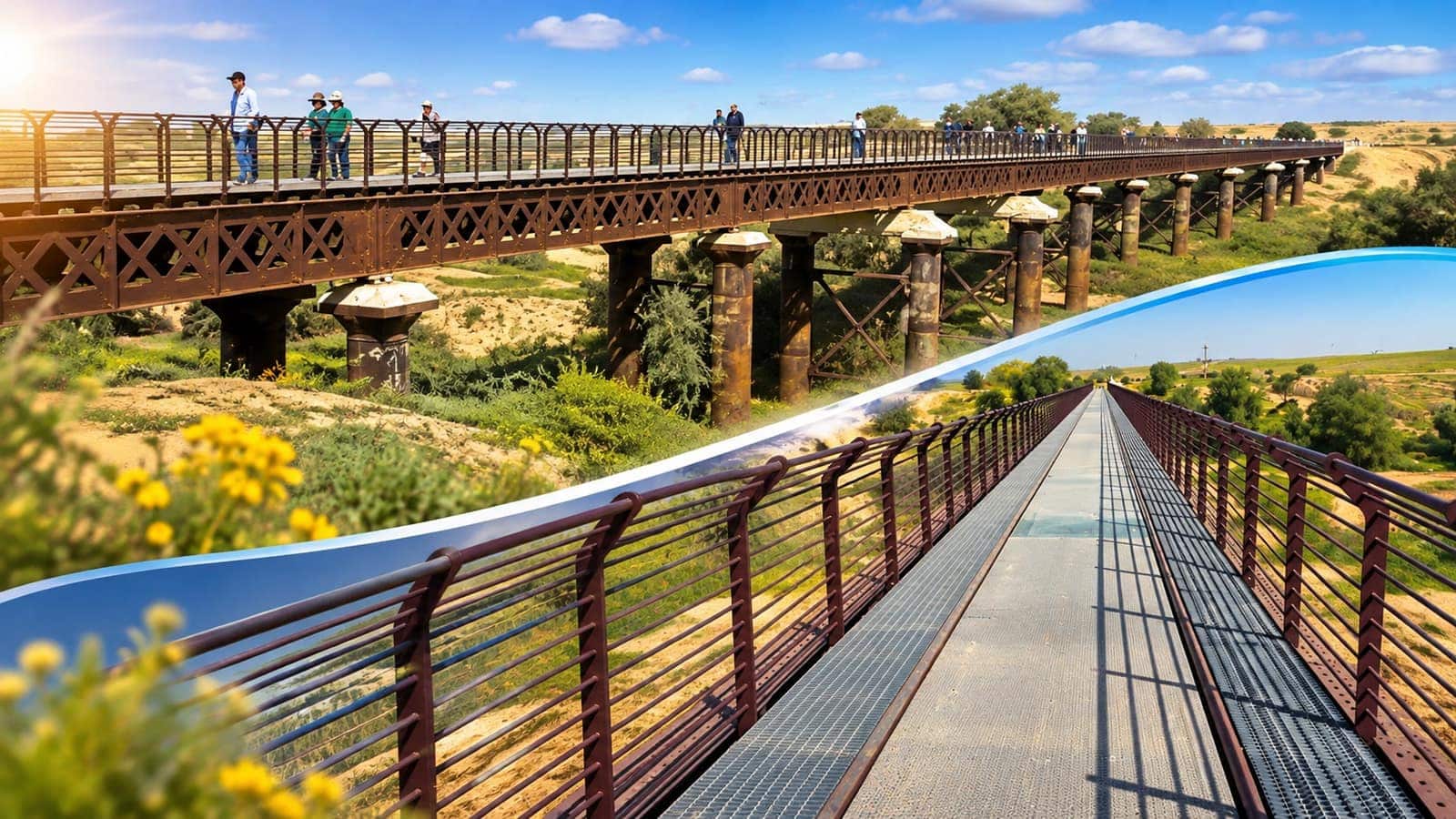
South of Ofakim is one of the most striking historical sites in the Negev: a steel railway bridge almost 150 meters long, about 11 meters above the Nahal Ofakim streambed. The British built it during the First World War as part of the Rafah–Beersheba railway, and today it has been converted for pedestrians, so yes, you can walk across it.
The bridge is part of Sayeret Shaked Park, a KKL-JNF memorial site for the fallen of the legendary Shaked reconnaissance unit of the Southern Command, with the unit's monument and the "Torch Bearer" iron sculpture. It is a great picnic spot, and an even better place to watch the desert sunset.
Opened in 2023 in the municipal country club complex after an investment of more than NIS 13 million, the water park has slides and splash pools, alongside tennis, soccer and basketball courts, shaded seating and free parking. Hours change with the season, so call ahead: 08-669-9944.
6. Derech HaTayasim: the city's sports axis
Along Derech HaTayasim (Pilots' Road) you will find four sports parks, outdoor fitness equipment, mini-pitches, walking and cycling paths and a pump track. A local twist: QR codes next to the benches link to short workout videos by a fitness coach. Ofakim is also home to one of the Israel Tennis Centers, opened in 1990.
7. Heritage, art and the Djerba synagogue
The Or HaTorah synagogue, known locally as the Djerba synagogue, is a replica of the ancient El Ghriba synagogue on the Tunisian island of Djerba, built in Ofakim in 1973 by immigrants who recreated it from memory. Walk around the city and you will also find public sculptures and the colorful house of the late local artist Haim Tedgi on Yirmiyahu Street, one of the most photographed spots in town.
09:00 · Ofakim Park. Start early, while it is still cool. Playgrounds for the kids, coffee on a KKL picnic table.
10:30 · Patish Fortress and the cave. Climb the hill, explore the fortress and find the cave below it.
11:30 · Nahal Ofakim. Walk down to the streambed for the easy Horvat Patish trail (about an hour).
13:00 · Lunch in town. Head to the city center for a kosher lunch, from grills to North African home cooking.
15:00 · The British railway bridge. A short drive south: walk across the bridge and visit Sayeret Shaked Park.
17:00 · Sunset and dessert. Watch the sunset from the bridge, then back to town for coffee or ice cream.
Traveling with kids in summer? Swap the hike for half a day at the water park, and the sunset for the splash fountains in Ofakim Park.
Day trips near Ofakim
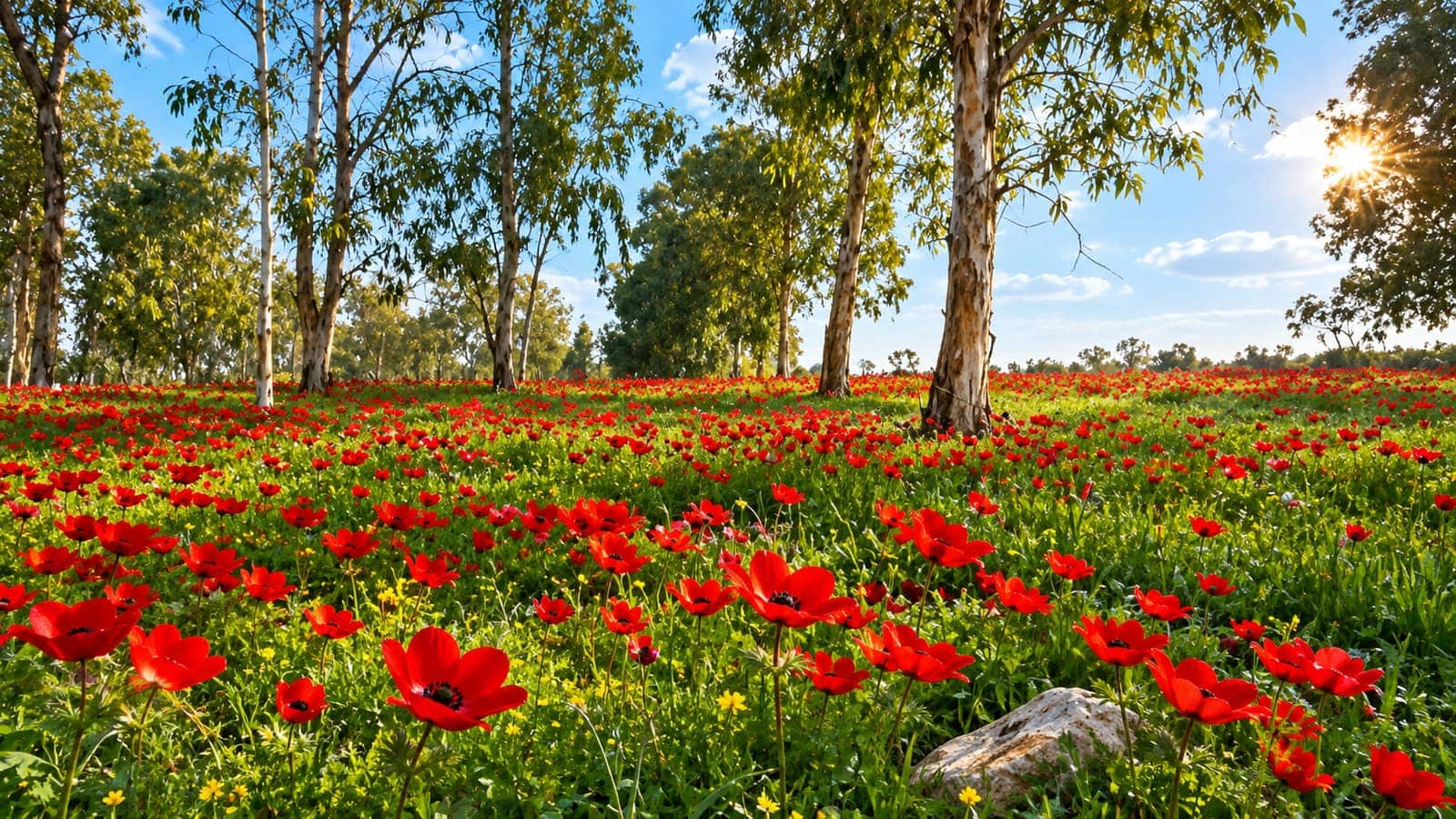
Red anemones in the western Negev, the Darom Adom ("Red South") season.
Darom Adom, the Red South (mid-January to end of February): every winter the western Negev turns red with wild anemones, and the region holds a month of hikes, markets and events that draws hundreds of thousands of visitors. Ofakim is right in the middle of it, and Nahal Ofakim itself fills with flowers.
Eshkol National Park (HaBesor), about 15 minutes away: green lawns and rock pools fed by the HaBesor springs, the closest springs to Ofakim and a classic family day out (entrance fee).
The HaBesor Scenic Road: a scenic drive with stops such as the hanging rope bridge over Nahal HaBesor and the reservoirs lookout.
Beersheba, 25 minutes away: the capital of the Negev, with museums, the Old City, malls and the largest choice of hotels in the region.
Full details, parking and accessibility for every site are in our Hebrew Ofakim attractions guide.
Food and restaurants in Ofakim
Ofakim eats like a North African grandmother cooks: generous, spicy and made for sharing. The city's Moroccan and Tunisian roots show up in couscous, mafrum, spicy fish (chraime), shakshuka and Friday pastries, next to the Israeli classics: shawarma and falafel stands, grill restaurants, pizzerias, sushi, bakeries and cafés.
Kosher by default: almost every restaurant, bakery and café in Ofakim is kosher, and most close on Friday afternoon and reopen on Saturday night after Shabbat.
Cafés: a favorite is Café Kony, with its patio on Herzl Boulevard, a perfect stop in the middle of a day of touring.
Homemade food: a local specialty. Dozens of home cooks sell Moroccan salads, couscous and Shabbat dishes to order, listed on our homemade food board.
Deals: check Ofakim coupons before you go, many local restaurants offer discounts to My Ofakim visitors.
Our business directory is in Hebrew. Business names and phone numbers are easy to use as they are, and your browser's "Translate" button handles the rest.
Where to stay in Ofakim
Ofakim is not a hotel town: there is no large hotel in the city. Visitors usually choose one of these options:
Beersheba (25 minutes): the widest choice of hotels and serviced apartments in the Negev.
Tzimmers (guest units) in the moshavim and kibbutzim around Ofakim, ideal during the anemone season.
Camping: KKL-JNF operates the Silvert overnight camping site inside Ofakim Park.
Short-term rentals and family hospitality, for visits around family events, which is how many visitors end up in Ofakim.
Living in Ofakim: real estate and neighborhoods
Affordable housing by Israeli standards, a train to Tel Aviv and a building boom have made Ofakim a magnet for young families, investors and new immigrants. Under the 2017 umbrella agreement the city is adding more than 12,000 housing units, with private homes alongside apartment buildings of up to 13 floors, new parks, community centers and schools in the new neighborhoods.
The established neighborhoods offer cheaper, older apartments close to the city center, while Ramat Shaked, HaPark, Horshat Noach and Afikei Nachal are where most of the new construction is happening. Prices change quickly with the building boom, so compare current listings and talk to a local agent before you decide.
Ofakim is a traditional, community-minded city where Moroccan and Tunisian customs, Russian-speaking families, a growing Haredi community and Chabad houses live side by side. There are dozens of synagogues, kollels and Torah classes, plus youth movements in every part of the city. English speakers making aliyah will find a warm welcome, though day-to-day life runs in Hebrew.
Ofakim's economy grew out of textiles, and today it relies on an industrial zone, local commerce and services, education and the public sector, with many residents commuting to Beersheba or, thanks to the train, to the center of the country. Remote and hybrid work has made the city even more attractive for families who want space without giving up a career.
Train: Ofakim station opened on 31 December 2015 on the Israel Railways line linking Beersheba, Ofakim, Netivot and Sderot with Ashkelon and Tel Aviv. Check the current timetable on the Israel Railways website or app.
Bus: intercity lines connect Ofakim with Beersheba, Netivot, Sderot and other cities, and city lines run inside Ofakim.
Shabbat: trains and most buses stop from Friday afternoon until Saturday night.
Taxis and ride apps work in the city, and a car makes regional day trips much easier.
Ofakim has a semi-arid climate on the edge between the coastal plain and the Negev: long, hot, dry summers with an afternoon westerly breeze, and short winters with occasional rain. It is drier and hotter than Ashkelon, and wetter than Dimona or Yeruham. The most pleasant months are November to April, with February as the highlight for the anemones. See the Ofakim weather forecast.
Shabbat and holidays
Most of the city slows down from Friday afternoon until Saturday night: shops and restaurants close and public transport stops. Plan around Shabbat times in Ofakim, and expect a beautiful, quiet atmosphere on Shabbat itself.
Safety and emergencies
Ofakim is a quiet, family-oriented city. Like the rest of the region near Gaza, it can be within range of rocket fire during escalations, so every home and public building has a protected space or shelter. Install the Home Front Command app for real-time alerts and follow its instructions.
On the morning of October 7, 2023, a Saturday and the holiday of Simchat Torah, Hamas terrorists infiltrated Ofakim. Residents, police officers and first responders fought them in the streets, mostly in the Mishor HaGefen neighborhood, and stopped the attack from spreading further into the city. Dozens of Ofakim's residents were murdered that day and in the war that followed.
My Ofakim is the city's community and business platform, with local news, events, real estate, jobs, coupons and the business directory, all in one place. Our Ofakim news section is updated every day (in Hebrew), and the quickest way to get the headlines is our WhatsApp channel.
Follow My Ofakim on WhatsApp
News, events and updates from Ofakim, straight to your phone.
Ofakim (also spelled Ofaqim) is a city in the northwestern Negev, in Israel's Southern District, about 20 km west-northwest of Beersheba. It is roughly 25 minutes by car from Beersheba and about 1 hour 15 minutes from Tel Aviv.
What is there to do in Ofakim?
The highlights are Ofakim Park and Forest, Patish Fortress and its cave, the Nahal Ofakim trails to Horvat Patish, the First World War British railway bridge in Sayeret Shaked Park, the city water park and the Djerba-style Or HaTorah synagogue. Eshkol National Park and the February Darom Adom anemone fields are a short drive away.
How do I get to Ofakim from Tel Aviv?
By train, Ofakim station is on the Israel Railways Ashkelon–Beersheba line, with direct trains to Tel Aviv taking roughly 70 to 90 minutes. By car, the drive takes about 1 hour 15 minutes via Highway 6 south. Trains and most buses do not run on Shabbat.
Are there hotels in Ofakim?
Ofakim has no large hotels. Most visitors stay in Beersheba, about 25 minutes away, or in guest units (tzimmers) in nearby rural communities. KKL-JNF runs an overnight camping site in Ofakim Park.
Is the food in Ofakim kosher?
Ofakim is a traditional city and most restaurants, bakeries and cafés are kosher. Many close on Friday afternoon and reopen on Saturday night after Shabbat.
What is the best time to visit Ofakim?
Late autumn to spring (November to April) is the most pleasant. From mid-January to the end of February the western Negev is covered with red anemones during the Darom Adom (Red South) season.
How many people live in Ofakim?
Israel's Central Bureau of Statistics counted 39,893 residents at the end of 2024, and the city is growing quickly, with more than 12,000 new housing units planned under a 2017 government agreement.
Is Ofakim a good place to live?
Ofakim attracts young families with comparatively affordable housing, new neighborhoods, a train station and a close-knit traditional community with synagogues, Chabad houses and schools across all streams. It is near the Gaza border region, so homes and public buildings have protected spaces for emergencies.
What happened in Ofakim on October 7, 2023?
On October 7, 2023, Hamas terrorists infiltrated Ofakim. Residents, police officers and first responders fought them in the streets, mostly in the Mishor HaGefen neighborhood. Dozens of the city's residents were murdered that day and in the war that followed. The city remembers them on its memorial wall.
Sources
Ofakim, Wikipedia: founding date, area, population (Israel Central Bureau of Statistics, 2024), railway station opening.